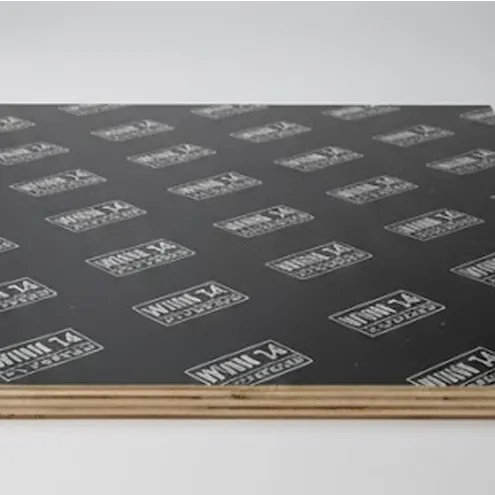
Film Faced Plywood
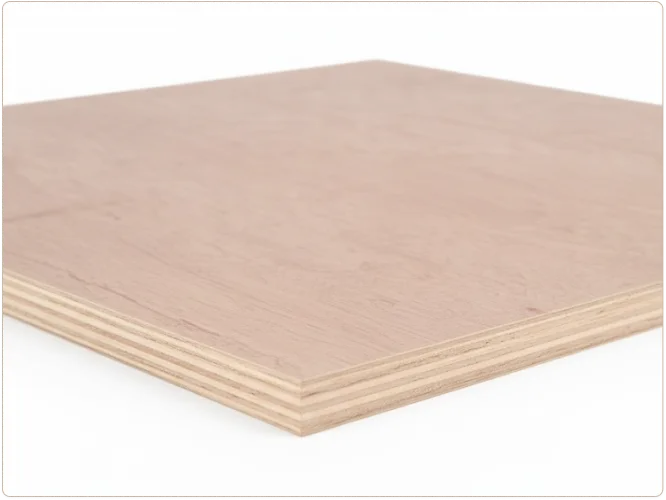
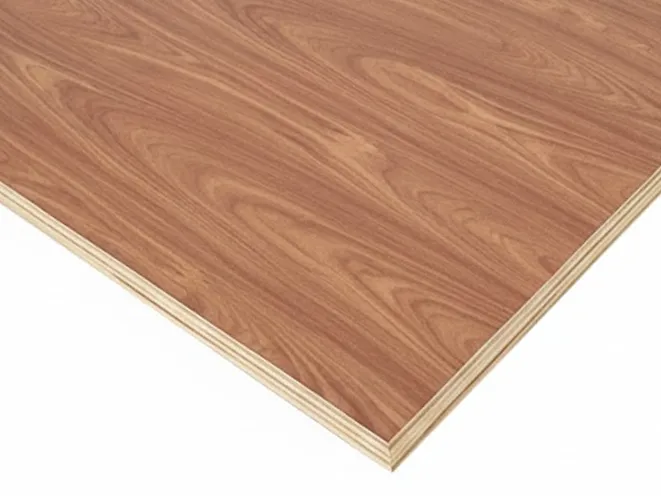
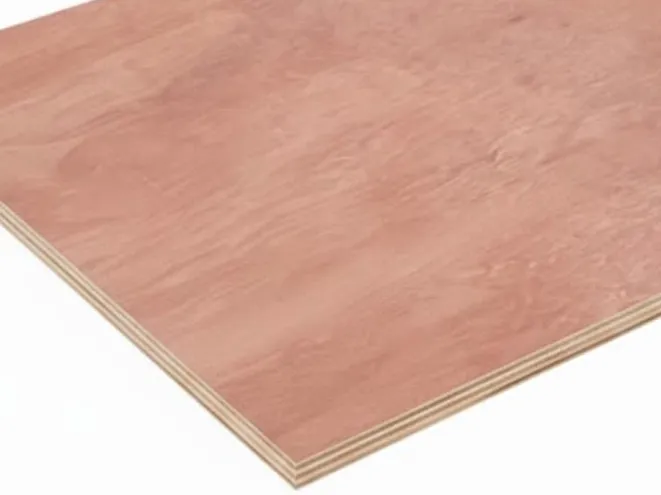
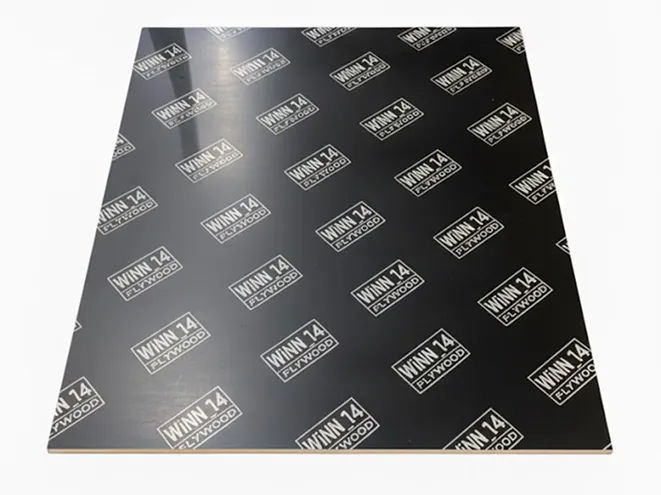
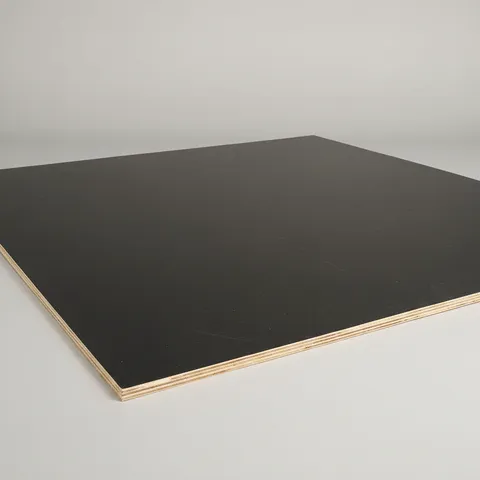
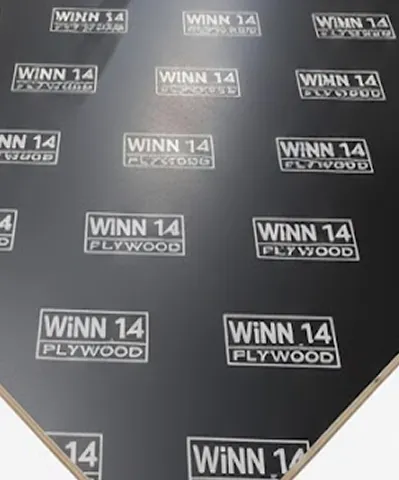
#filmfaced #plywoodFilm Faced plywood is manufactured with a protective surface film, typically phenolic or melamine, which enhances durability and water resistance.
Technical Specifications
| Core | Acacia |
| Glue | 10% Min Glue |
| Torelance | ± 0.5 mm |
| Grade | AA/AB/BB |
| Size | 1220 × 2440mm |
| Thickness | 12 – 18mm |
| Key Features |
|
Common Applications
 Floor
Floor Scaffolding flooring
 Truck & container flooring
 Concrete formwork
FILM FACED PLYWOOD
Film Faced Plywood is one of the most widely used plywood products in the construction industry thanks to its excellent water resistance, smooth surface, high durability, and multiple reusability. It is a key material for concrete formwork systems, helping contractors optimize costs while ensuring high-quality concrete finishes.
1. What Is Film Faced Plywood?
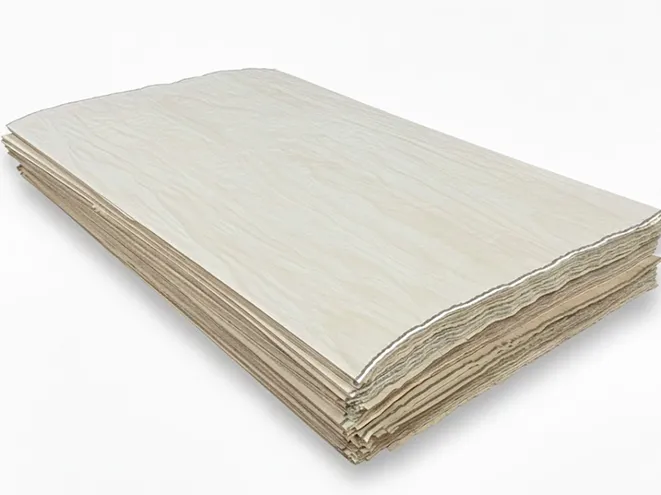
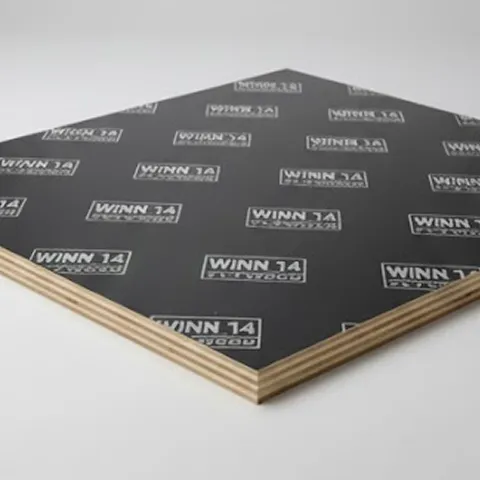
Film faced plywood is manufactured by bonding multiple wood veneer layers with water-resistant adhesives, such as phenolic (WBP) or melamine (MR) glue. Both surfaces are covered with a black or brown phenolic film, providing waterproofing, abrasion resistance, and reduced dirt adhesion during construction. This makes it a preferred choice for both residential and industrial projects.
2. Structure of Film Faced Plywood
The core is typically made from acacia or eucalyptus veneers, kiln-dried to standard moisture levels before hot pressing. Veneer layers are bonded using WBP or MR glue depending on application requirements. The outer phenolic film (120–220 g/m²) enhances water resistance, protects the core, and maintains a smooth, glossy surface.
3. Key Advantages of Film Faced Plywood
Film faced plywood is valued for its strong mechanical performance, excellent water resistance, and dimensional stability. Depending on quality, panels can be reused 6–10 times or more, significantly reducing overall construction costs.
The smooth film surface also delivers clean, high-quality concrete finishes, minimizing post-formwork surface repairs.
4. Common Types of Film Faced Plywood
- - WBP Film Faced Plywood – high water resistance, multiple reuses
- - MR Film Faced Plywood – cost-effective for short-term projects
- - MR Film Faced Plywood – cost-effective for short-term projects
- - Smooth surface or anti-slip film faced plywood
5. Key Factors When Choosing Film Faced Plywood
Plywood quality depends on factors such as actual thickness, core density, moisture content, adhesive type, film quality, bonding strength, and water resistance. B2B buyers should work with manufacturers that apply strict quality control, ensuring flat panels, minimal core voids, and compliance with project or market standards.
6. Film Faced Plywood for Export Markets
For international markets such as Korea, Japan, and Malaysia, film faced plywood must meet strict requirements for bonding strength, core stability, tensile performance, and film color consistency. Export suppliers are expected to provide full documentation, including CO, CQ, packing lists, and support third-party inspections when required.