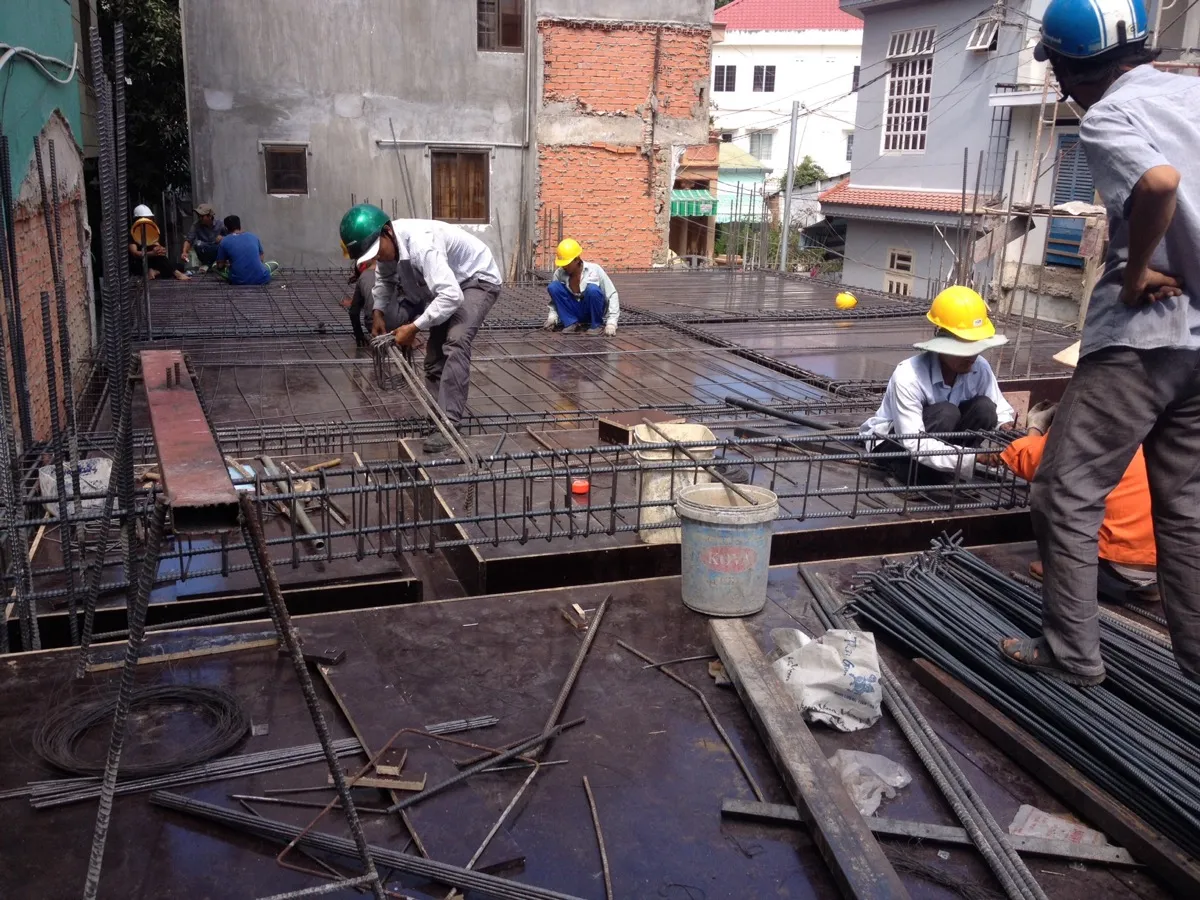
1. Construction Cash Flow & Market Outlook in 2026
The global construction market in 2026 is expected to face significantly higher material cost pressure compared to previous years. From a business perspective, the strong inflow of FDI into industrial zones, infrastructure projects, and transportation networks will sharply increase demand for formwork materials—particularly film faced plywood (shuttering plywood).
At the same time, raw wood supply is becoming increasingly restricted due to tighter forestry regulations, sustainable plantation policies, and longer timber growth cycles. This creates a dual pressure effect: rising demand combined with constrained supply, pushing plywood prices upward.
For contractors and developers, 2026 is not a year to wait for price corrections. Instead, it is a year that demands proactive cash flow planning and early material sourcing to secure stable pricing from the beginning of the project cycle.
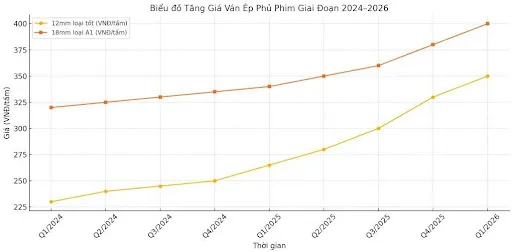
2. Hidden Cost Drivers Directly Impacting Contractor Budgets
Market reality shows that plywood prices are no longer driven solely by raw timber costs. Two often-overlooked factors will play a decisive role in final landed costs in 2026:
- Logistics Costs: Global and domestic freight rates are forecasted to increase by 10–15%, directly affecting CIF and DDP prices at construction sites. Rising fuel prices, port congestion, and container availability remain ongoing risks.
- Labor Costs: The shortage of skilled and semi-skilled manufacturing labor has forced plywood mills to raise wages. These higher production costs are inevitably passed on through ex-factory and export pricing, increasing the overall procurement cost for buyers.
3. Estimated Cost Impact Breakdown
Below is an overview of how key input factors are expected to influence final plywood pricing, helping procurement teams and project owners plan negotiations more effectively:
| Cost Factor | Estimated Increase in 2026 | Impact Level on Final Price | Procurement Recommendation |
|---|---|---|---|
| Raw Wood Materials | Slight increase (5–7%) | Medium | Price negotiation is possible for large-volume or long-term orders |
| Adhesive & Glue Costs | Strong increase (10–12%) | High | Strictly control quality standards; avoid low-grade glue to reduce delamination risks |
| Transportation & Logistics | Significant increase | Very High | Secure supply early and lock logistics arrangements with suppliers |
4. Smart Procurement Strategies to Protect Profit Margins
Industry experience clearly shows that instead of chasing unexpectedly low price offers—often associated with reduced thickness tolerance or insufficient glue bonding—contractors are better advised to sign framework agreements (MOUs) with reputable plywood suppliers to lock in pricing stability.
Accepting partial prepayment to secure material prices for projects spanning 6 to 12 months is a financially sound strategy, helping contractors mitigate cost overruns when the construction market enters its peak season toward the end of the year.