1. The Economic Challenge of Material Selection for Cold Storage
Building a cold storage facility is a long-term investment where durability and thermal performance determine operational efficiency. One of the most common and costly mistakes warehouse owners make is choosing low-cost flooring or shelving materials to reduce initial capital expenditure.
In high-humidity environments with sub-zero temperatures, low-quality plywood typically begins to delaminate and warp within 3–6 months. This often forces operators to suspend warehouse operations for repairs, leading to downtime losses and potential product damage. In reality, the cost of downtime and spoiled goods can far exceed the initial savings gained from purchasing cheaper materials.
2. On-Site Reality: Why Plywood Fails Even When Using “Premium” Grades
Many installers report that even high-grade film faced plywood can suffer from edge swelling in cold storage applications. In practice, over 90% of failures originate from improper cutting and finishing during installation.
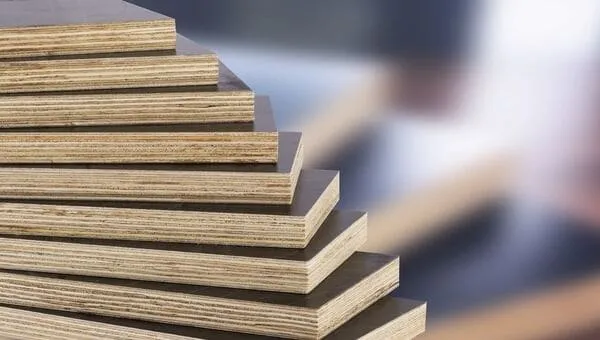
Film faced plywood achieves its water resistance primarily through its surface film and hot-pressed adhesive layers. Once panels are cut to size, the exposed edges become the most vulnerable entry point for moisture.
Field-Proven Solution: All cut edges must be sealed with at least two coats of waterproof treatment, such as epoxy resin or specialized oil-based sealant. This small additional step plays a decisive role—accounting for up to 80% of the panel’s service life in cold storage environments.
3. Choosing the Right Plywood to Optimize Investment Costs
The most expensive plywood is not always the most cost-effective solution. Material selection should be based on the specific application area within the cold storage facility, such as:
| Application Area | Recommended Plywood Type | Technical & Economic Rationale |
|---|---|---|
| Walkways & Forklift Traffic Flooring | 18mm plywood, hardwood core, 100% WBP glue | High structural strength required to withstand impact loads and heavy forklift traffic |
| Partitions & Light-Duty Shelving | 15mm or 12mm plywood, high-quality Melamine glue | Reduces structural load and overall cost compared to 18mm panels while maintaining sufficient durability |
| Ceilings, Wall Cladding | 12mm film faced plywood (single-side film) | Cost-efficient solution for non-load-bearing areas with no direct mechanical stress |
4. Maintenance Practices That Significantly Extend Service Life
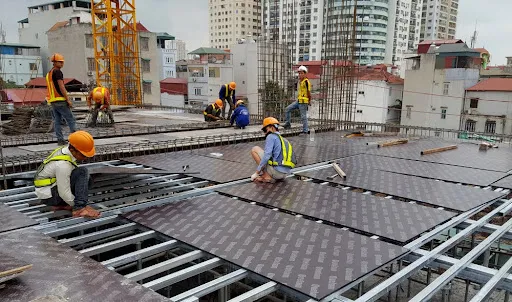
Operational experience shows that modular floor panel designs offer major long-term advantages. When localized water ingress or forklift impact damage occurs, individual panels can be replaced without dismantling the entire floor system.
Additionally, it is recommended to inspect screw and fastener points every six months. Metal fasteners conduct cold more rapidly than wood, making them the first condensation points. Without periodic checks, moisture can penetrate through these areas and degrade the plywood core from the inside.